
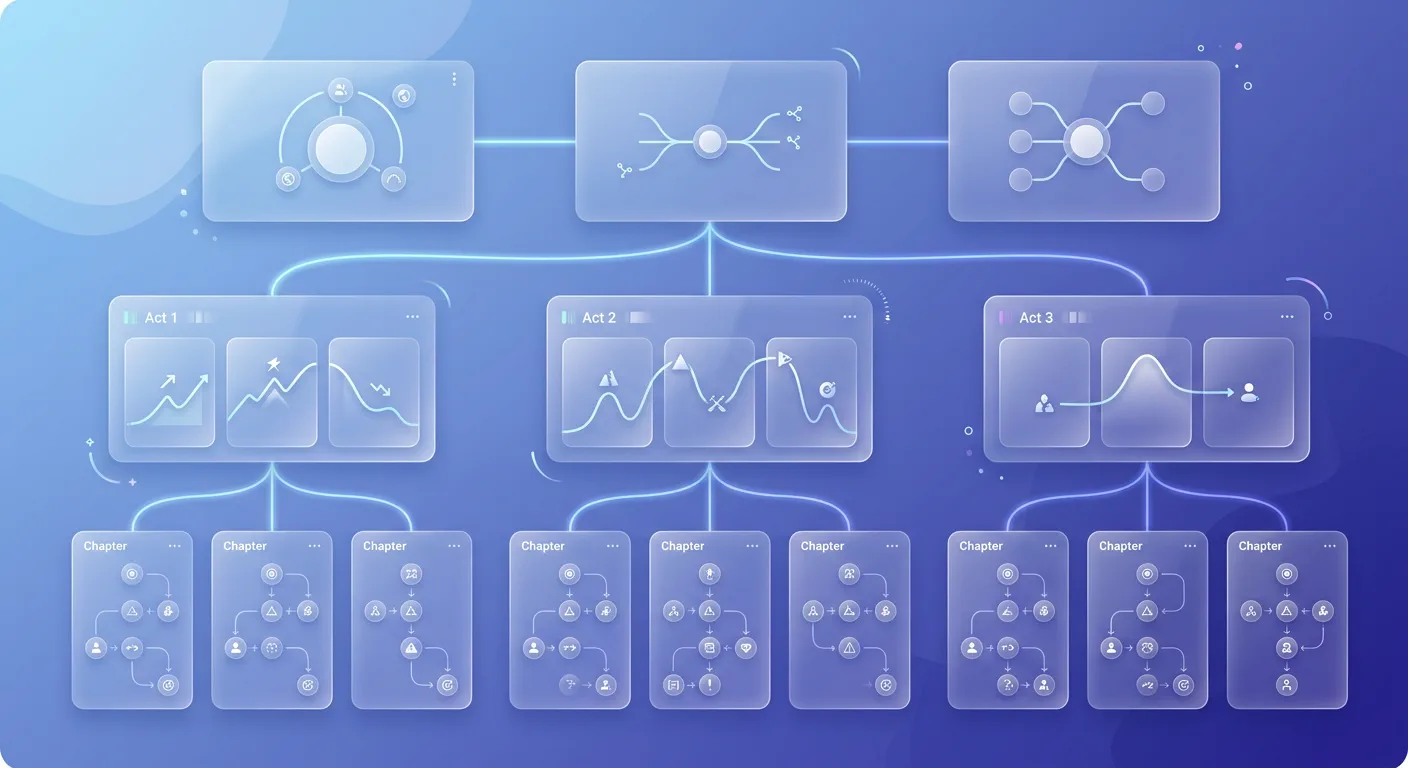
Maliang Writer analyzes hit novels' pacing, payoff beats and plot structure with AI, extracts patterns, and helps you write a differentiated new hit.
What Imitation Really Means: Learn the Method, Don't Copy the Content
Bestseller imitation is not plagiarism but learning and transferring a method.
A good imitation path looks like this:
- Analyze where the thrill of “The Live-in Son-in-Law” comes from: modern business thinking delivering a “dimensional strike” against ancient aristocrats
- Extract the narrative logic: the protagonist holds high-value information or skills others don't understand → uses them to solve problems people in the ancient world can't → earns respect and status
- Move that logic to your sci-fi novel: the protagonist uses future technological knowledge → solves technical problems in a barbaric interstellar world → rises up against the nobility
The content is completely different, but the successful narrative structure has been reused. That is the right way to understand bestseller imitation.
Note: Maliang Writer only analyzes the structure and patterns of works and does not generate content close to the original, to stay compliant and lawful.
Four Imitation Dimensions
For different learning goals, there are four imitation modes:
Mode 1: Setting imitation
Learn how worlds are built and how dense the settings are
→ AI extracts the reference book's setting logic and generates a differentiated setting framework for your book
Mode 2: Plot imitation
Learn the pacing of plot progression and the design of twists
→ AI analyzes “plot density” (event beats per 1,000 characters, frequency of emotional peaks)
Mode 3: Prose style imitation
Learn writing style, sentence habits and descriptive density
→ For authors who want a particular style (tough-guy, classical-poetic, light and humorous)
Mode 4: Structure imitation
Learn how volumes and chapters are laid out at the macro level
→ For authors who want to borrow from a long novel's narrative structure
The four modes can be combined. Beginners are advised to start with “plot imitation,” the most direct dimension for improving web novel quality.
Blended Imitation for a New Book: From One Idea to the First Chapters
If you want to open a new book with reference to bestsellers, you can use blended imitation:
- Find your emotional anchor first: where you most want readers to feel the thrill and the pain
- Pick two or three benchmark books: fetch the table of contents and original text by title or book ID, and consult the book-breakdown materials in the public book library
- Blend them into a new direction: take the strengths of each and combine them into a story unlike any single one
- Land it level by level: master outline, story bible, storylines, volume outlines, chapter outlines, then the first few chapters of text, and at key stages it stops and asks you to confirm
When the text is written, the reference works supply original passages by scene (such as a dialogue showdown or an emotional peak) as style references: original text only, no analysis. Afterwards you can run a free literal duplicate check, and a deeper comparison when needed.
The duplicate check is a reminder of similarity risk and is not a ruling on originality; the story and its expression remain the author's responsibility.
Methodology Library: A Huge Reference Collection
Maliang Writer has a built-in web novel writing methodology library based on AI structured analysis, offering structured analyses of a huge number of popular works as imitation references.
Data coverage:
- Structured analysis features benchmarked against 120,000+ hit chapters
- Filter by genre (fantasy, urban, sci-fi, history, sports, among 20+ categories in all)
- Continuously updated to reflect the latest trends
Smart book selection strategy:
- Analyze 2–3 hit books of the same genre at once to extract their shared patterns
- Pick newer works from the past year, which better fit today's reader tastes
- Avoid classic older works (readers expect different things, so imitation results may be off)
Ready to use after reference:
Imitation analysis results are filled automatically into your chapter blueprints and outline framework, fitting seamlessly into the three-level outline system.